

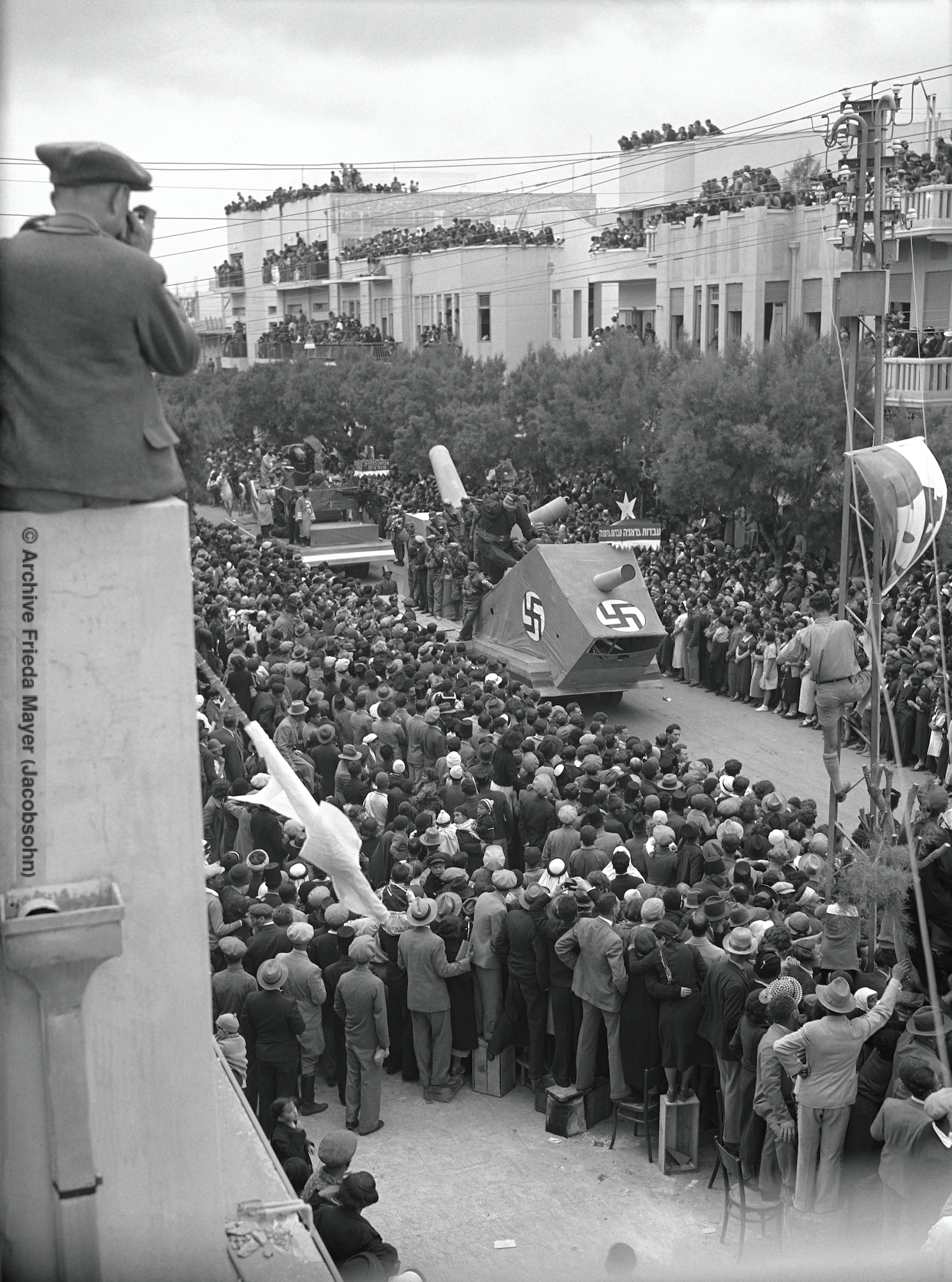
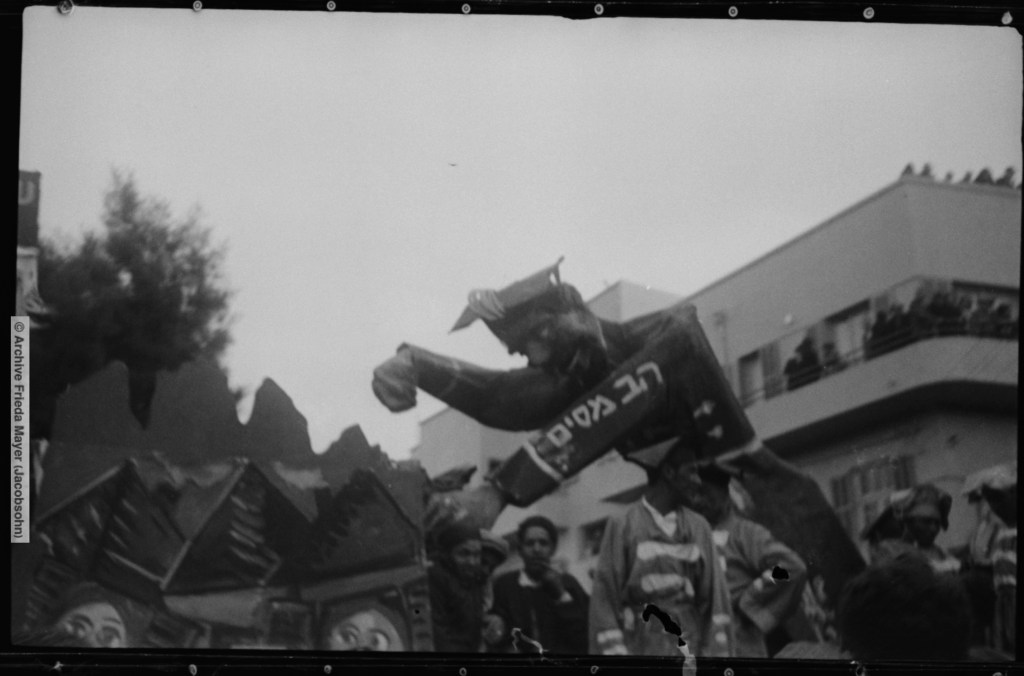
Purim parades “Adeloyada” in Tel-Aviv, 1930s



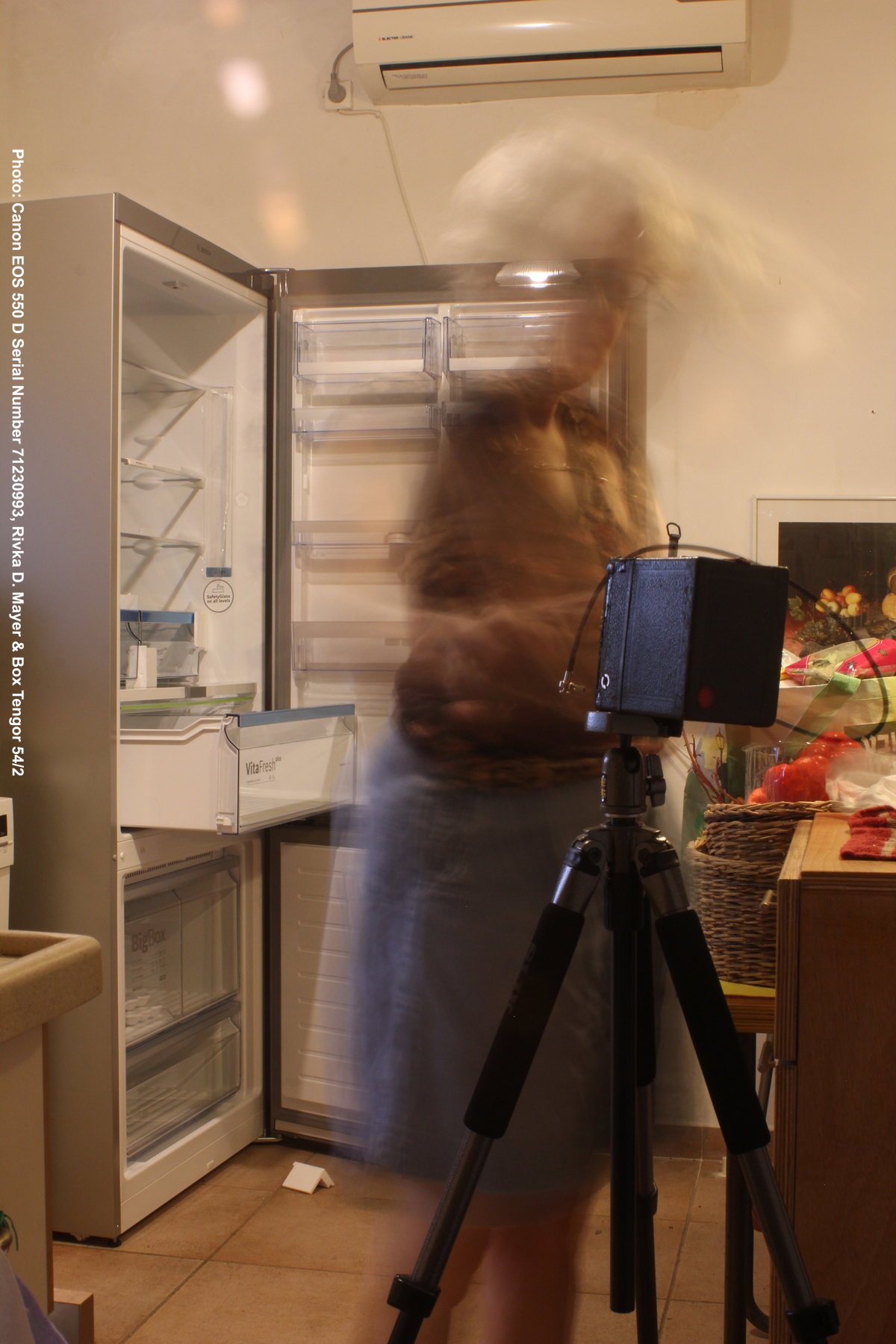
Kitchen.
The last place I could imagine the artful as trasformative was the kitchen.
Transformation allowing the flow, the non-visible, the sensed, the intimate, the poetic to emerge.
Participating in these events are (at least) two cameras – digital Canon EOS 550D Serial Number 71230993 and 6×9 Box Tengor 54/2, 1928-34 model, a woman photographer, their surroundings, and the actions taken by each of these participants.
The photographs embody movements in front of the camera, emerging from liminal spaces, of experiences felt but not seen by the eyes.

Monday, January 20, 2014 at 3:33 PM
Canon announces her presence also by the sounds of lens’s movements as she searches the focal point in relation to movements or the space in front of her, and by the monotonous rhythm sound of the shutter.
The photographs were just taken, or more accurately, they became, as part of an event. Both digital and box-camera co-exist in these experiences, performing collaborative exploration of that which cannot be seen by the eyes, but is felt by existence.
Throughout my childhood and adolescence, the present moment was not a safe place to be in, nor did it feel like being at home.
Emptying my parents’ house (kitchen), 2009


Lately, the experience of being in the present moment is gradually transformed; and kitchen is the most surprising place for this transformation to emerge: The present moment is cutting vegetables. The present moment is cooking soup. The present moment is mindful eating. The present moment is cleaning the dishes. The present moment is also letting the camera take snapshots of my daily labour.
I breath with my eyes. The camera breathes with her lens and shutter. Digital multiplicity of shots, hundreds of frames per day, or analog layers of exposures on film become kind of blinking.


Transformation heals my past.
 Thursday, August 2, 2018 at 12:42 PM


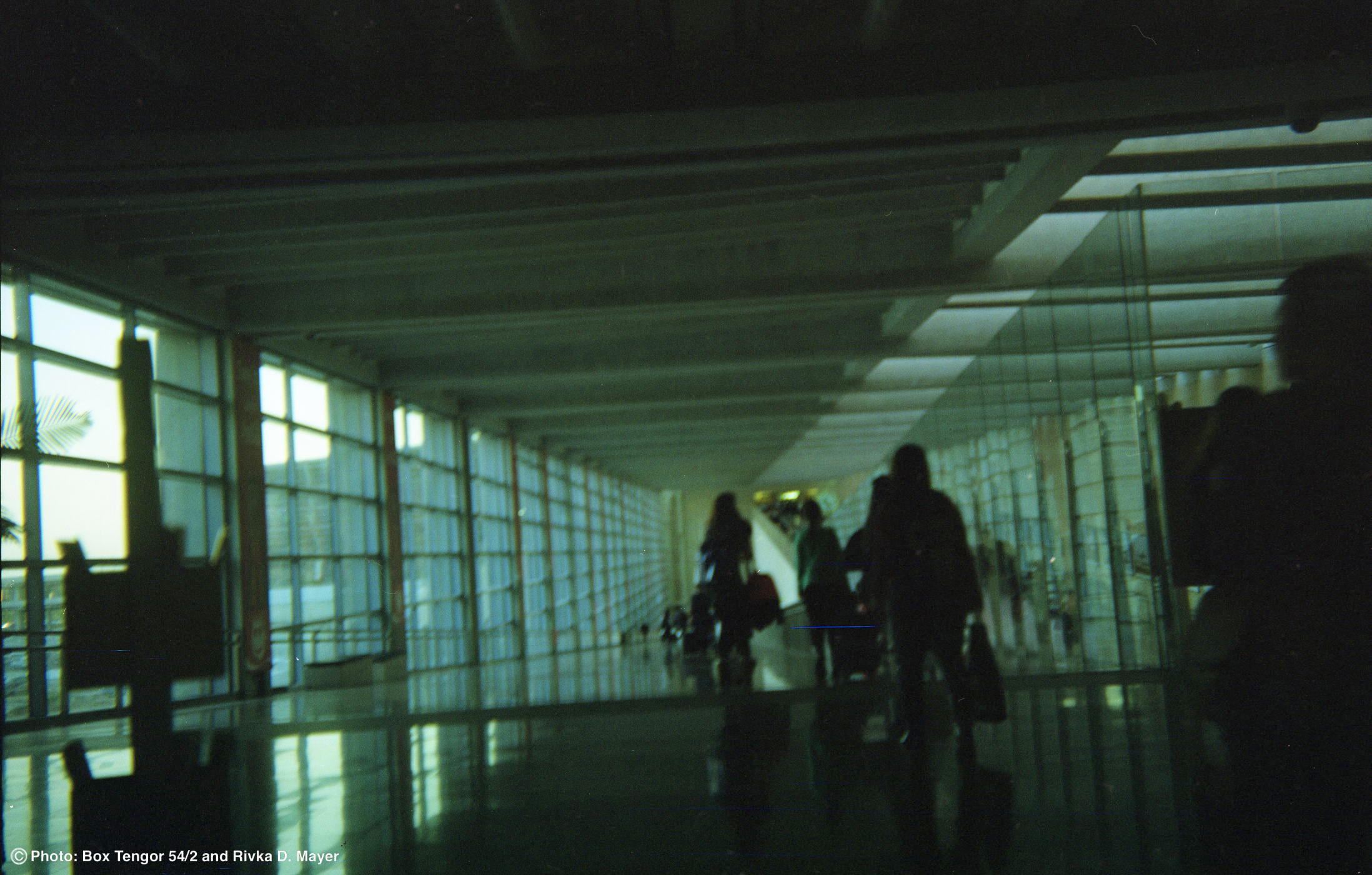


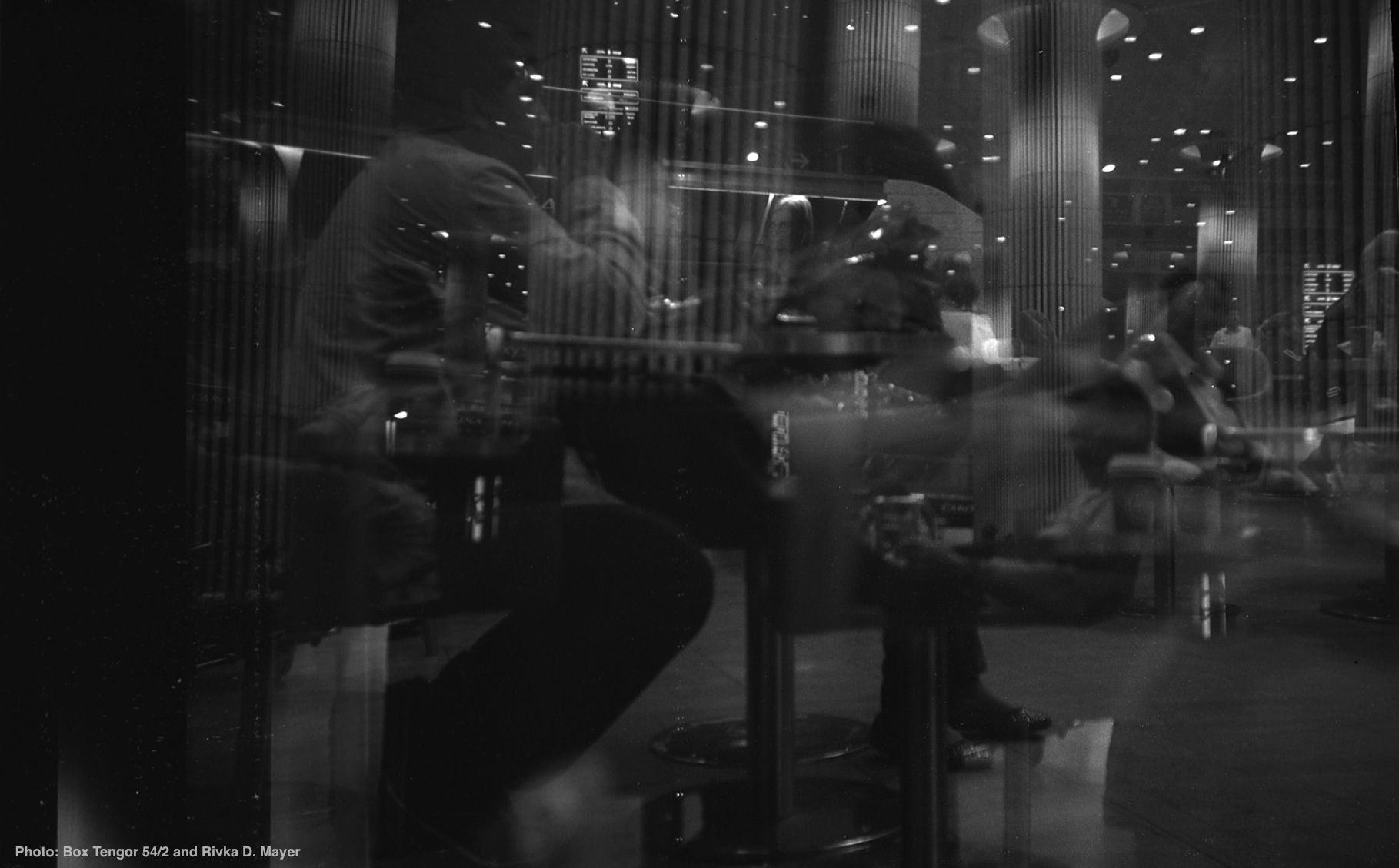 Welcome back home!

Watching movie in Tel Aviv, 2016, evokes Frieda’s memories of Berlin 1933


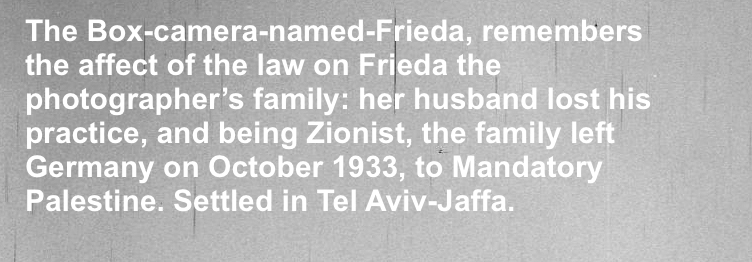
 Prenzlauer Str. 46 (today Karl-Libknecht-Str.) before corner Wadzeck Str. , in Berlin map, 1932. After the law against Jewish physicians was published (31.3.1933), and “Jude” was written on Dr. Fritz Mayer’s clinic, the family (at that time living in Baumeisterstr. 1, Fridenau) left Germany, to Erez Israel (Mandatory Palestine at that time). Here, at the same corner in 2010: building site of RAMADA Hotel, Karl-Liebknecht-Strasse 32, (Now: H2 Hotel Berlin Alexanderplatz).
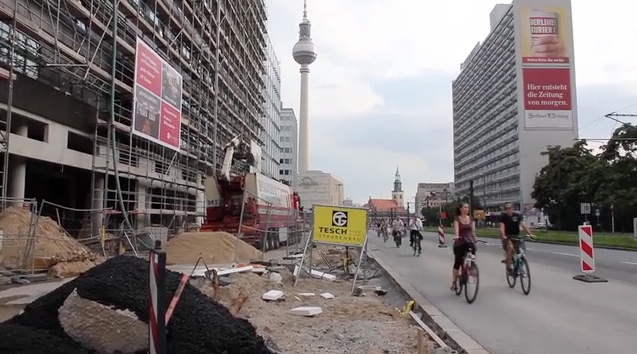 Watch video on finding my grandfather’s medical clinic until 1933 (2010. HEB. ENG sub-titles will be added in future): HighRes video or LowRes video
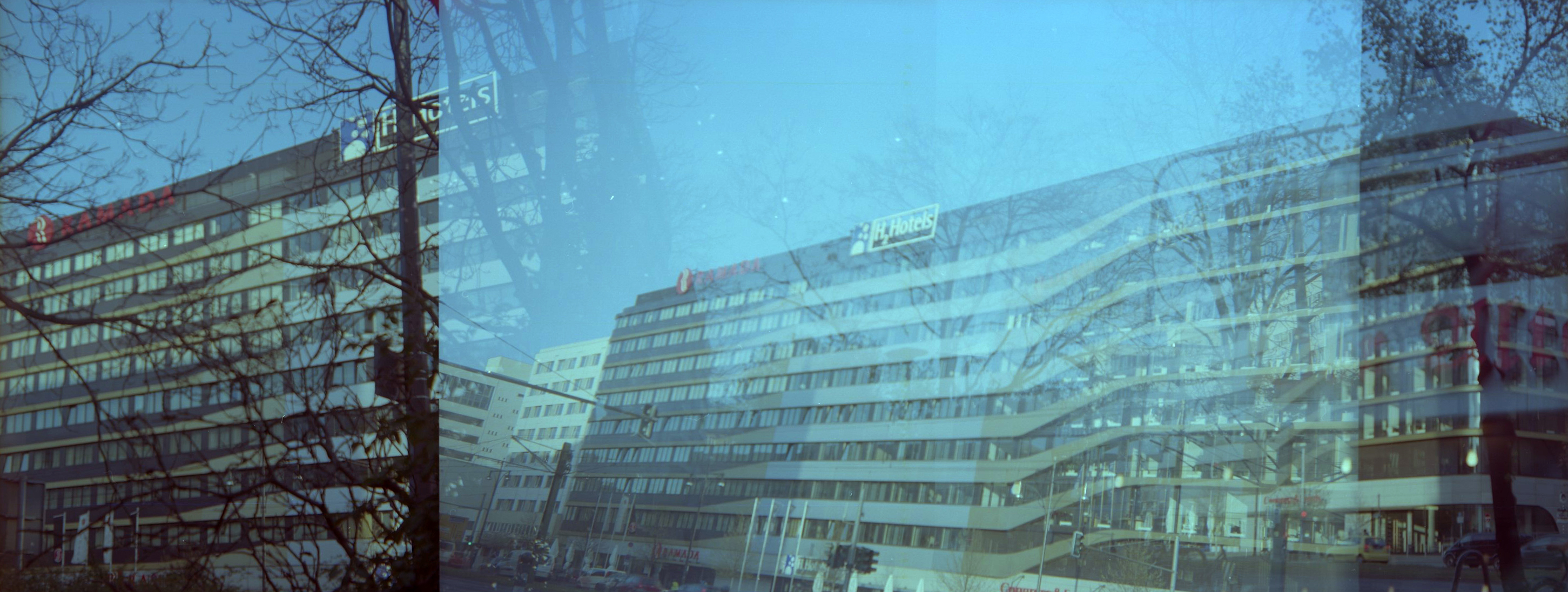
 Ramada Hotel (H2 Hotel), Berlin. 2015.
 Frieda watches movie. Yom Hashoa, 5.5.2016: From Caligari to Hitler: German Cinema in the Age of the Masses (2014)


http://www.stih-schnock.de/remembrance
![What Frieda saw in Weimar [movies] 36](https://wanderer2web.blog/wp-content/uploads/2018/05/what-frieda-saw-in-weimar-movies-36.jpg)
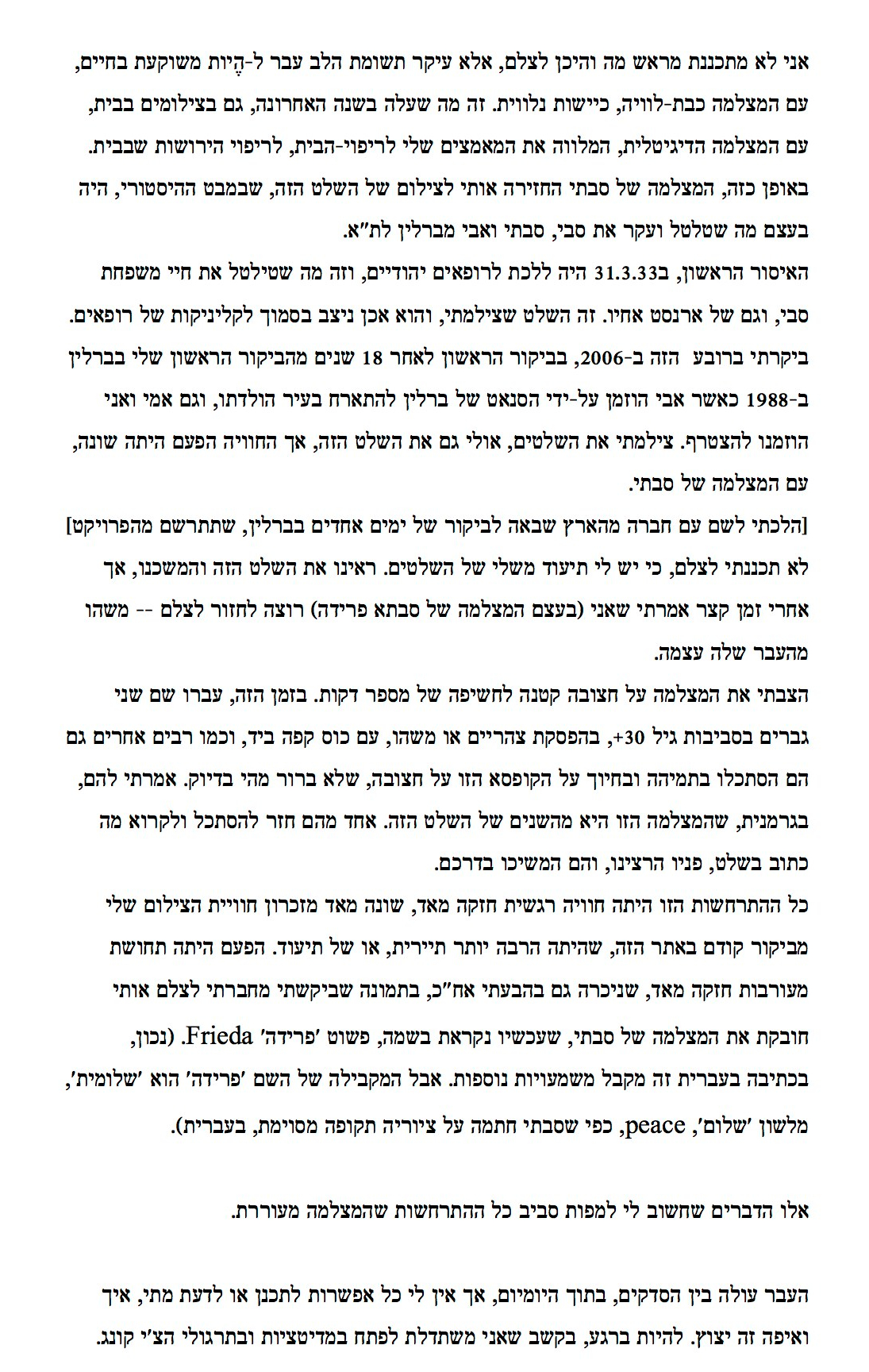
 Postcard created in July 2015, in collaboration with Z., who drew the map of our walk through the Bayerisches Viertel, Berlin, October 2014.

Frieda is this 1929~ Box Camera at the bottom right corner.

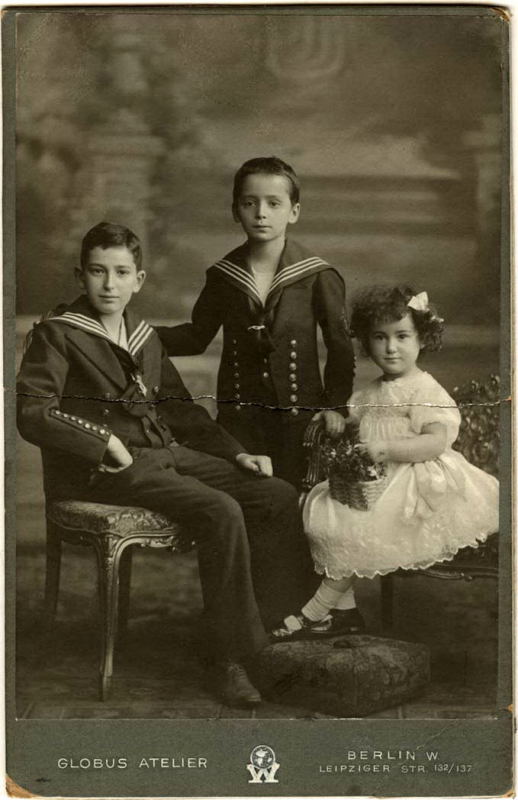
She is named after the woman in this photo: Berlin-born photographer Frieda Mayer Jacobsohn, whom she accompanied during the last years before forced to leave Berlin in 1933, through her voyage to Tel-Aviv-Jaffa, and finding her way there.
In 2009 many of the photos she took were exhibited in the Jewish Museum Berlin.
Frieda Mayer Jacobsohn was my grandmother.

Since October 2014, Frieda’s Box Camera takes me to see the world through her eyes. Experiences from long ago and other lands are still stored in her memory. She finds and shows me new layers of experience, in those same places –– in my hometown Tel Aviv, in Frieda’s hometown Berlin, and some new ones. Watch video here.
She senses times and spaces.
She offers images as a way of communication throughout experiences.
 wanderer2web